Services
Laser and light treatments chosen for brown and Black skin
Laser and light treatments use focused light to remove hair, fade pigment and tattoos, smooth scars and treat visible blood vessels. At O.C Clinics in Oniru, Lagos, a dermatologist selects the laser and settings for your skin tone, starts with a test patch and follows your skin through each treatment.
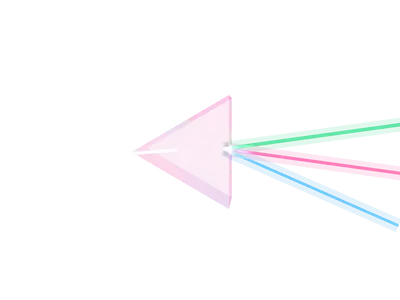
How lasers work on skin
A laser produces light of a single colour, or wavelength. Each wavelength is absorbed by a particular target: the pigment in a hair, the melanin in a dark spot, the ink in a tattoo, the red of a blood vessel or the water in skin tissue. The target heats or shatters while the skin around it is left as cool as possible. Choosing a laser means matching the wavelength, the length of each pulse and the energy to the target and to your skin tone.
Light-based devices such as IPL and LED are not lasers. IPL sends a broad band of light and is less selective; LED delivers gentle light that does not heat the skin.
The clinic’s laser technologies
The clinic uses Q-switched, pico, Erbium YAG and fractional CO2 laser technologies. Each has its own page explaining what it is and what it is used for:
- Q-switched laser: very short pulses that break up pigment and tattoo ink.
- Pico laser: even shorter pulses, measured in trillionths of a second, for pigment and tattoos.
- Erbium YAG laser: removes very thin layers of skin to resurface scars and texture.
- Fractional CO2 laser: treats columns of skin for scars and resurfacing. See laser skin resurfacing.
Our article compares pico and Q-switch lasers for dark spots.
Why skin tone changes the plan
In light skin there is little melanin to compete with the target. In brown and Black skin the epidermis is full of it, and it absorbs the same light. Too much energy, the wrong wavelength or too little cooling causes burns, blisters, dark marks or pale patches that can take months to settle or may be permanent.
The safeguards are practical:
- Assessment. Your skin tone, tanning, medicines and history of keloids or cold sores are checked.
- Preparation. Sun avoidance and sunscreen for weeks beforehand; sometimes a pigment-calming cream.
- Test patch. A small hidden area is treated and reviewed before the first full treatment.
- Conservative settings and cooling, increased only as your skin shows it can tolerate them.
- Aftercare and review. Written instructions, strict sun protection and a check before the next treatment.
Laser is not always the answer
Some pigment problems respond better to prescription creams and peels, and melasma in particular can worsen with laser. Where a simpler treatment is likely to work as well with less risk, the dermatologist will say so.
What we offer
Laser treatments
- Laser hair removal
- Laser pigmentation removal (including melasma)
- Laser skin resurfacing (fractional CO2 and erbium)
- Laser tattoo removal
- Laser vascular treatment (vascular lesions, birthmarks, spider veins, rosacea, redness)
- Laser for acne and acne scars
- Laser for scars and stretch marks
- Laser skin tightening and rejuvenation
- Laser wart removal
Laser technologies
Light therapies
Listed elsewhere
Conditions we treat
Each guide explains the signs, the causes and the treatment available at the clinic.
How a consultation works
-
Consultation
The dermatologist asks about your skin and your general health, then examines the area closely.
-
Tests if needed
Some conditions need a scraping, swab, biopsy or blood test before the diagnosis is certain.
-
Treatment plan
You get a clear plan, what to expect and when to come back so progress can be checked.
Common questions
Is laser treatment safe for dark skin?
It can be, with the right laser. Melanin absorbs laser light, so on brown and Black skin a laser aimed at hair or pigment can also heat the surrounding skin and cause burns or marks. Longer wavelengths, longer pulses, lower energy, skin cooling and a test patch reduce that risk. Some devices, including most IPL, are unsuitable for the darkest skin tones.
Which laser is best for Black skin?
For hair removal, the long-pulsed Nd:YAG laser at 1064 nanometres is the type most often recommended in clinical guidance for very dark skin, because that wavelength is absorbed less by skin pigment. For pigment and tattoos, Q-switched and picosecond Nd:YAG lasers are used at conservative settings. The dermatologist confirms what suits your skin.
Does laser treatment hurt?
Most people describe laser pulses as a quick snap or a hot pinprick. Cooling and, for resurfacing, numbing cream make it tolerable. The skin usually feels warm and looks slightly swollen for a few hours afterwards. Resurfacing involves more discomfort and several days of healing.
How many laser treatments will I need?
It depends on what is being treated. Hair removal usually needs six or more treatments spaced weeks apart, because laser only affects hairs in their growth phase. Tattoos and pigment need a series, and some patches do not clear completely. Your plan is set out after assessment and a test patch.
Further reading
Related services
Visit O.C Clinics in Oniru
| Monday–Friday | 9:00 AM–5:00 PM |
|---|---|
| Saturday | 10:00 AM–4:00 PM |
| Sunday | Closed |

Ready to have your skin looked at?
Book an appointment at O.C Clinics in Oniru, or start with an online consultation.