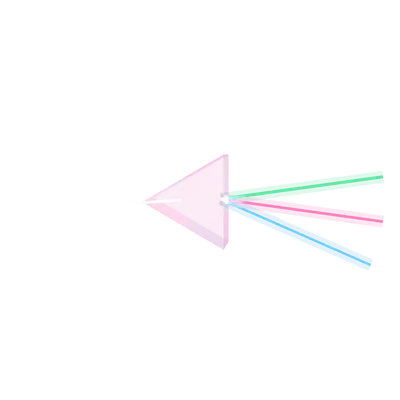
How resurfacing lasers work
Resurfacing lasers are absorbed by water in the skin. Ablative lasers, the CO2 laser and the Erbium YAG laser, vaporise tissue. Fractional delivery splits the beam into hundreds of microscopic columns, leaving untouched skin between them. Those bridges of healthy skin allow fast healing and make the treatment far safer than older full-surface resurfacing.
CO2 laser carries more heat into the skin, which tightens collagen but also inflames more. Erbium laser removes tissue with less heat, so recovery is quicker and pigment problems are less likely.
What it treats
- Acne scars: rolling and boxcar scars
- Scars from surgery, injury or burns, once mature
- Stretch marks (striae)
- Rough texture, enlarged pores and fine lines
- Some raised scars, as part of a combined plan
Active acne, infection and keloid scars in the treatment area are reasons to wait or choose another method.
Resurfacing on brown and Black skin
Heat is what triggers pigment cells. The more heat a laser deposits, the higher the chance of post-inflammatory hyperpigmentation, which is common after CO2 laser on dark skin and can last months. The plan for darker skin therefore uses:
- sunscreen and a pigment-calming cream for at least four weeks beforehand
- lower density (fewer columns per pass) and fewer passes
- erbium in preference to CO2 where it will do the job
- six to eight weeks between treatments
- pigment cream restarted as soon as the skin has healed
A test area is treated first. Non-laser options, microneedling and chemical peels, are discussed alongside.
Before, during and after
Before. Tell the dermatologist about cold sores, keloids, acne tablets in the past six months, and any bleaching cream use. Antiviral tablets are given if you are prone to cold sores.
During. Numbing cream for 45 to 60 minutes. Eye shields are worn. Each pass feels hot and prickly. A face takes 20 to 30 minutes.
After. Cool compresses and ointment for the first days. Wash gently, do not pick, sleep with your head raised if the face is swollen. Use sunscreen once the skin has peeled, and avoid sun, heat and swimming for at least two weeks.
Risks and how they are managed
- Redness, swelling, peeling: expected.
- Dark marks: the main risk on dark skin; treated with sun protection and pigment creams.
- Pale patches: uncommon with fractional treatment.
- Infection, including cold sores: preventive medicine and clean aftercare.
- Acne flare or small white bumps (milia): settle or are treated.
- Scarring: rare; more likely with picking or infection.
Booking
Book an appointment for a scar assessment at O.C Clinics in Oniru, Lagos.
Common questions
Is CO2 laser safe for dark skin?
Fractional CO2 laser can be used on brown and Black skin, but it carries the highest risk of post-inflammatory dark marks of the resurfacing options. Lower density settings, skin preparation, strict sun protection and longer gaps between treatments reduce that risk. Many dermatologists prefer erbium laser or microneedling first on darker skin.
How many laser treatments do acne scars need?
Most people have three to five fractional treatments, six to eight weeks apart on darker skin. Improvement builds for six months after the last one as collagen remodels. Scars soften and become shallower; they do not disappear completely.
What is the downtime after fractional laser?
Expect redness, swelling and a sandpaper feel for five to seven days, with tiny dark dots that shed as the skin peels. Erbium laser at light settings heals faster, in three to five days. Sun must be avoided for several weeks, and make-up waits until the skin has peeled.
Which is better for acne scars: laser or microneedling?
Fractional laser tends to give a larger improvement per treatment, with more downtime and more risk of dark marks. Microneedling is gentler, safer for dark skin and needs more treatments. Many plans combine methods according to scar type. A dermatologist examines the scars before recommending either.
References
- DermNet. Laser resurfacing.
- American Academy of Dermatology. Laser skin resurfacing: FAQs.
- Journal of the American Academy of Dermatology. Fractional laser resurfacing in skin of colour: a systematic review.
- American Academy of Dermatology. Acne scars: diagnosis and treatment.
This page gives general health information. It does not replace a consultation, and it cannot diagnose your skin. If you are worried about a symptom, see a doctor. Read the full medical disclaimer.
Visit O.C Clinics in Oniru
| Monday–Friday | 9:00 AM–5:00 PM |
|---|---|
| Saturday | 10:00 AM–4:00 PM |
| Sunday | Closed |
