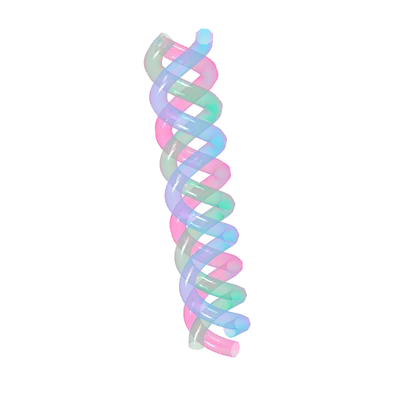
What exosomes are
Cells communicate by releasing microscopic bubbles, a thousand times smaller than the cell itself, that carry proteins and genetic signals to other cells. These are exosomes. In the laboratory, exosomes collected from certain cell cultures can influence how skin cells behave: how they move, divide and produce collagen, and how much inflammation they set off.
Cosmetic exosome products are made from one of several sources: human stem-cell cultures, platelets, or plants. They are filtered, concentrated and supplied as a liquid or a freeze-dried powder. Because the sources and methods differ, two products both labelled “exosomes” may have little in common. The product used at the clinic, its source and its registration status are explained at your consultation.
How an exosome facial is done
Exosomes do not pass through intact skin in useful amounts. They are therefore applied immediately after a procedure that opens channels in the skin:
- Microneedling, standard or radiofrequency
- Fractional laser skin resurfacing
At O.C Clinics exosomes are applied to the skin surface only. They are not injected into the skin or given into a vein.
What is known
- Laboratory and animal studies show effects on wound healing, collagen production and inflammation.
- Small human studies report quicker recovery and less redness after procedures, with improvements in texture, pore size and fine lines. Some compared one side of the face with the other.
- Early studies have also looked at hair thinning and acne scars.
What is not known
- Whether benefits are larger than those of the procedure alone, in properly controlled trials of adequate size.
- Which source, dose and schedule work best, since products are not standardised.
- Long-term safety. Exosomes carry signals that affect cell growth, and their long-term effects in skin have not been studied.
- How they compare with established options. Our article Exosomes, PRP or PDRN: what each one does sets them side by side.
Regulators have not approved any exosome product as a medicine for skin rejuvenation. They are sold as cosmetics for use on the surface. For these reasons we describe the evidence as emerging and make no claim about results.
On brown and Black skin
The value suggested for darker skin is in recovery. Skin that settles quickly after a procedure is less likely to develop post-inflammatory dark marks, so a product that reduces redness could, in theory, lower that risk. This has not been tested in good studies in dark skin. The safeguards that are known to work still apply: conservative settings, skin preparation and sun protection.
Before, during and after
Before. The dermatologist assesses your skin, explains the underlying procedure and discusses whether adding exosomes is worthwhile for you. Preparation is the same as for microneedling.
During. After numbing cream and cleansing, the skin is needled or lasered. The exosome serum is applied during and immediately after, and left on.
After. Do not wash the face for the rest of the day. Redness usually lasts one to three days. Avoid make-up for 24 hours, and sun, swimming, saunas and active skincare for a week.
Risks and how they are managed
- Redness, swelling and flaking from the procedure itself.
- Irritation or allergy to the product; tell the doctor about any allergies.
- Infection, if a product is contaminated or applied in non-sterile conditions. Sealed, traceable products and a clinical setting reduce this.
- Dark marks from the procedure, managed as described on the microneedling page.
- Unknown long-term effects, which you should weigh before choosing a new treatment.
Deciding
It is reasonable to wait for better evidence. If you choose to go ahead, a consultation at O.C Clinics in Oniru, Lagos, will cover the product, the procedure and the alternatives. Book an appointment.
Common questions
What is an exosome facial?
It is microneedling or a light laser treatment followed by a serum containing exosomes, which is spread over the skin so that it enters the tiny channels the procedure has opened. Exosomes are not injected. The aim is to calm redness, speed recovery and support the skin's repair response.
Do exosomes really work for skin?
Early studies and laboratory work are promising, with reports of faster healing and improved texture when exosomes are used after procedures. However, the human studies are small, short and often funded by manufacturers, and products differ widely. There is not yet enough evidence to say how well they work or for whom.
Are exosomes safe?
Applied to the skin after microneedling, exosome products have caused few reported problems in the short term, but long-term safety data are lacking. No exosome product has been approved by major medicines regulators for injection, and regulators have warned against injected or intravenous exosomes. Product source and quality control matter.
What is the difference between exosomes and PRP?
PRP is made from your own blood on the day and contains platelets and their growth factors. Exosomes are manufactured in a laboratory from cultured cells or plants, and supplied as a ready-made product. PRP has more published studies; exosomes are newer. Neither has a certain result.
Who should not have exosome treatment?
It is not advised during pregnancy or breastfeeding, over infected, broken or inflamed skin, in people with a history of skin cancer in the area, or for anyone with a weakened immune system unless their doctor agrees. People who prefer treatments with established evidence may reasonably choose microneedling alone.
References
- Journal of the American Academy of Dermatology. Exosomes in dermatology: emerging applications and evidence.
- U.S. Food and Drug Administration. Public safety notification on exosome products.
- Journal of Cosmetic Dermatology. Exosomes for skin rejuvenation and repair: a systematic review of clinical studies.
- DermNet. Skin needling.
This page gives general health information. It does not replace a consultation, and it cannot diagnose your skin. If you are worried about a symptom, see a doctor. Read the full medical disclaimer.
Visit O.C Clinics in Oniru
| Monday–Friday | 9:00 AM–5:00 PM |
|---|---|
| Saturday | 10:00 AM–4:00 PM |
| Sunday | Closed |
