How laser tattoo removal works
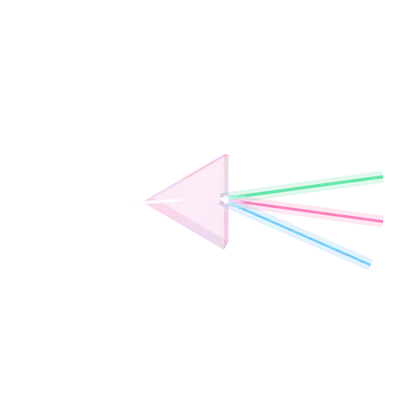
Tattoo ink sits in the deeper layer of skin as particles too large for the body’s cleaning cells to carry away. A tattoo laser fires a pulse lasting a billionth of a second (Q-switched laser) or a trillionth (picosecond, or pico, laser). The ink absorbs the energy and breaks apart before the heat can spread to the surrounding skin. Over the following weeks, immune cells remove the fragments, and the tattoo fades.
Each ink colour absorbs a particular wavelength. Black absorbs all of them and is the easiest to treat. Coloured inks need specific wavelengths, some of which are also absorbed strongly by melanin.
What affects the result
- Colour: black and dark blue respond best; red is variable; green, light blue, yellow and white are stubborn.
- Amateur or professional: amateur tattoos use less ink, placed unevenly, and often clear faster.
- Age: older tattoos have already faded and need fewer treatments.
- Position: tattoos on the trunk and upper limbs clear faster than those on hands, ankles and feet, where circulation is slower.
- Layering and cover-ups: more ink, more treatments.
- Skin tone and scarring from the original tattoo.
Tattoo removal on brown and Black skin
Black ink on dark skin is treated with the 1064-nanometre wavelength, which passes the pigment at the surface with relatively little absorption. Wavelengths used for green and red inks are absorbed by melanin and can strip pigment, leaving pale patches, so coloured tattoos on dark skin can sometimes be faded only partly.
Other points that matter on darker skin:
- Settings start low and rise slowly, with longer gaps between treatments.
- Temporary dark or light patches are common and usually recover over months.
- Keloid scar risk is assessed before any treatment.
- Cosmetic tattoos (eyebrows, lips) and some white or skin-coloured inks can turn dark when lasered. These always have a small test first.
Before, during and after
Before. At the consultation the dermatologist examines the tattoo, asks how and when it was done, and checks for keloids, cold sores, allergies to the ink and medicines. A test area is treated and reviewed after six to eight weeks. Keep the area out of the sun for four weeks before each visit.
During. Numbing cream is applied for 30 to 45 minutes. You wear eye protection. The laser makes a snapping sound; treated ink turns white for a few minutes (“frosting”) and the skin swells slightly. A dressing is applied.
After. Expect redness, swelling, pinpoint bleeding, and sometimes blisters and crusts over the next few days. This is part of healing. Keep the dressing on for 24 hours, then wash gently, apply the ointment you are given and cover the area. Do not pick scabs or burst blisters. Avoid soaking, swimming and sun until healed, usually within two weeks.
Risks and how they are managed
| Possible effect | What is done |
|---|---|
| Blisters, crusts, swelling | Expected; dressings and ointment |
| Light patches (loss of pigment) | Often recover over months; settings reduced, intervals lengthened |
| Dark patches | Sun protection and pigment creams |
| Scarring or change in texture | Uncommon; reduced by conservative settings and good aftercare |
| Keloid | Screened for beforehand; treated early if it occurs |
| Darkening of cosmetic or white ink | Test spot first |
| Allergic reaction as ink is released | Rare; treated medically |
| Infection | Clean dressings; antibiotics if needed |
Alternatives
A small tattoo can sometimes be cut out and stitched, leaving a line scar; see scar revision. Fading a tattoo so that it can be covered by a new design needs fewer treatments than full removal.
Booking
Tattoo removal at O.C Clinics begins with an assessment and a test area at the clinic in Oniru, near Lekki and Victoria Island. Book an appointment.
Common questions
How many treatments does it take to remove a tattoo?
Most professional tattoos need six to ten treatments or more, and amateur tattoos often fewer. The number depends on ink colour and density, how deep the ink sits, the tattoo's age and position, and your skin tone. On dark skin, lower settings are used for safety, so removal usually takes longer.
Can a tattoo be removed completely?
Many black tattoos fade until they are hard to see, but complete removal without any trace cannot be promised. A faint shadow, a change in skin texture or a lighter or darker outline can remain. Green, blue, yellow and white inks are harder to clear, especially with the wavelength that is safest for dark skin.
Is laser tattoo removal safe for Black skin?
Yes, when a 1064-nanometre Q-switched or pico laser is used at conservative settings. That wavelength targets black ink while being absorbed less by the skin's own pigment. The main risks on dark skin are light or dark patches and, in people prone to them, keloids. A test area is treated first.
Does tattoo removal hurt more than getting a tattoo?
Most people find it similar or sharper, like hot oil spitting on the skin, but far quicker: a small tattoo takes a few minutes. Numbing cream and cooling make it tolerable. The area feels sunburnt for a day or two afterwards.
How long should I wait between tattoo removal treatments?
At least six to eight weeks, and often longer on dark skin. The body keeps clearing shattered ink for weeks after each treatment, and the skin needs to recover fully. Treating too soon adds risk without speeding the result. Fading continues between sessions.
Can I remove a tattoo if I get keloids?
It needs careful thought. Laser treatment wounds the skin, and in someone who forms keloids that can trigger a new one, particularly on the chest, shoulders and upper arms. The dermatologist weighs the tattoo's site and your history, and may advise a small test area, extra precautions or leaving the tattoo alone.
References
- DermNet. Laser tattoo removal.
- American Academy of Dermatology. Tattoo removal: lasers outshine other methods.
- Lasers in Surgery and Medicine. Laser tattoo removal in skin of colour: a review of safety and efficacy.
- Journal of the American Academy of Dermatology. Picosecond versus nanosecond lasers for tattoo removal: a systematic review.
This page gives general health information. It does not replace a consultation, and it cannot diagnose your skin. If you are worried about a symptom, see a doctor. Read the full medical disclaimer.
Visit O.C Clinics in Oniru
| Monday–Friday | 9:00 AM–5:00 PM |
|---|---|
| Saturday | 10:00 AM–4:00 PM |
| Sunday | Closed |
