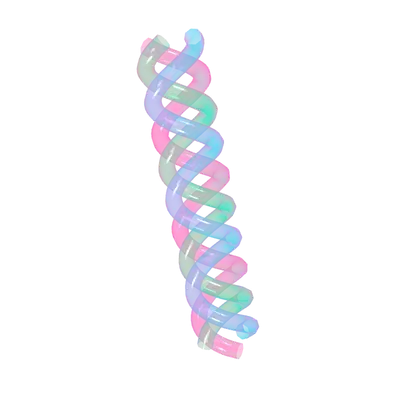
What PDRN is
PDRN stands for polydeoxyribonucleotide. Together with related products called polynucleotides (PN), it consists of short fragments of DNA extracted from the reproductive cells of salmon or trout and purified. Fish DNA is used because it is very similar in structure to human DNA and can be produced with a high degree of purity.
In laboratory studies, these fragments bind to a receptor on skin cells that is involved in tissue repair. They appear to encourage the cells that make collagen, reduce inflammation and attract water into the skin. PDRN was first developed in medicine for slow-healing wounds.
How it is given
- Injection. A series of very small injections placed just under the surface across the treated area, sometimes described as skin boosters.
- With microneedling. The solution is applied to the skin during microneedling so that it enters the channels.
Creams and serums containing polynucleotides are also sold. Whether enough passes through intact skin to have an effect is uncertain.
The product used, its registration status and the method proposed are explained at your consultation.
What it is used for
People ask for this treatment to improve dullness, fine lines, crepey skin under the eyes, enlarged pores, mild scarring and skin that looks tired or dehydrated. It is not a treatment for deep wrinkles, sagging, volume loss or pigmentation.
What is known and what is not
Known. PDRN has an established role in wound healing research. Small clinical studies in aesthetic use report gains in hydration, elasticity and texture, and in some, improvement in acne scars and under-eye skin. Side effects in these studies were mild.
Not known. Whether results hold up in large, independent, controlled trials; how long any benefit lasts; the best dose and schedule; and how it compares with established treatments. Many studies are short and involve few people. Our article Exosomes, PRP or PDRN compares the three.
The evidence is best described as emerging. We make no promise about results.
On brown and Black skin
The product does not target pigment and does not heat the skin, so it does not carry the pigment risks of lasers and peels. The risk on darker skin comes from the needles: each injection point or needling channel is a small injury that can leave a pinpoint dark mark in skin that pigments easily. Fine needles, sun protection and not touching the skin afterwards keep this to a minimum.
Before, during and after
Before. The dermatologist asks about allergies, including fish, your medicines, pregnancy, cold sores and any tendency to keloids, then examines the skin and agrees the aim with you.
During. Numbing cream is applied for about 30 minutes. The solution is then injected in a grid of tiny points, leaving small raised bumps, or applied with microneedling. Treatment takes 20 to 40 minutes.
After. The bumps flatten within a day or two. Redness, pinpoint bruising and mild swelling can last two to three days, longer under the eyes. Avoid make-up for 12 to 24 hours, and heat, heavy exercise, sun and active skincare for a few days.
Risks and how they are managed
- Bumps, redness, swelling, bruising: expected and short-lived.
- Dark marks at injection points: uncommon; fade over weeks.
- Infection: rare with sterile technique.
- Allergic reaction: rare; tell the doctor about fish or seafood allergy.
- Little or no visible change: a real possibility with a treatment whose evidence is still developing.
Who should avoid it
Pregnancy and breastfeeding, active skin infection or inflammation in the area, known fish allergy unless the doctor advises otherwise, bleeding disorders, and anyone who does not wish to use an animal-derived product.
Booking
A consultation at O.C Clinics in Oniru, Lagos, will tell you whether polynucleotide treatment, another option or simple skincare suits your skin. Book an appointment.
Common questions
What is salmon DNA treatment?
It is a treatment that uses polynucleotides, short chains of DNA purified from salmon or trout. The DNA is highly filtered so that proteins which could cause allergy are removed. Injected in tiny amounts into the skin, the fragments are thought to support repair and hydration. It does not change your own DNA.
Does PDRN work?
PDRN has been used medically for wound healing, and small studies report better skin hydration, elasticity and texture after a course of injections. These studies are limited in size and length, and many come from a few countries and manufacturers. The results look encouraging but are not yet confirmed by large independent trials.
How many PDRN treatments do I need?
Courses described in studies and by manufacturers usually involve three or four treatments, two to four weeks apart, with maintenance every few months. Changes develop gradually over weeks. Because the evidence is still developing, it is sensible to review the result after a first course before committing to more.
Is PDRN safe for people with fish allergy?
The DNA is purified to remove fish proteins, and allergic reactions appear to be rare. Even so, anyone with a known fish or seafood allergy should tell the doctor, and may be advised to avoid the treatment. It is also unsuitable for people who avoid fish products for personal reasons.
What is the difference between PDRN and filler?
Filler is a gel that adds volume and changes shape. PDRN is a thin liquid that does not add volume; it is used to improve the quality of the skin itself. They are sometimes used in the same plan, for different purposes.
References
- International Journal of Molecular Sciences. Polynucleotides in aesthetic medicine: a review of current practices and perceived effectiveness.
- Pharmaceuticals. Polydeoxyribonucleotide: a promising biological platform to accelerate impaired skin wound healing.
- Journal of Cosmetic Dermatology. Polynucleotides for skin rejuvenation: a systematic review.
- DermNet. Skin needling.
This page gives general health information. It does not replace a consultation, and it cannot diagnose your skin. If you are worried about a symptom, see a doctor. Read the full medical disclaimer.
Visit O.C Clinics in Oniru
| Monday–Friday | 9:00 AM–5:00 PM |
|---|---|
| Saturday | 10:00 AM–4:00 PM |
| Sunday | Closed |
