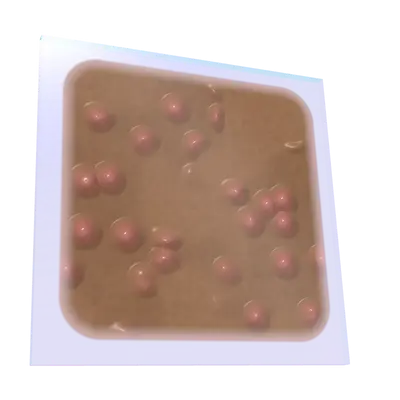
What burns look like on brown and Black skin
- Superficial: painful, dry, slightly swollen. The skin is darker and tender; redness is hard to see. It peels in a few days.
- Partial thickness: blisters, a wet, pink or pale base once the dark surface layer lifts, and marked pain. The loss of pigmented surface skin makes the wound look alarmingly light.
- Full thickness: white, brown, black or waxy, dry and firm, with reduced feeling.
Healed burns on dark skin commonly remain pale, or become darker, for many months. Deep burns can form thick raised scars that tighten across joints.
How to judge severity
Use the person’s palm (including fingers) as about 1% of body surface. Depth, size, site and age matter.
Causes and triggers
In Lagos homes the frequent causes are hot water and soup scalds in children, hot oil, kerosene and gas accidents, generator and motorcycle exhaust burns on the leg, and chemical burns from relaxers, drain cleaners and unsupervised peels. Chemical burns are flushed with running water for at least 20 minutes.
How it is assessed at the clinic
The clinician records the cause, time, first aid, size and depth, checks tetanus status, and decides whether the burn can be managed with dressings or needs a burns unit.
Burn treatment at the clinic
Minor burns are cleaned and covered with a non-stick dressing, changed every few days, with pain relief. Signs of infection are treated. Once healed, the area is moisturised, massaged and protected from sun. Raised scars are treated early with silicone and steroid injections; established scars may be suitable for scar revision. Ongoing dressings are provided within wound care.
Prevention and daily care
- Turn pot handles inward and keep children out of cooking areas.
- Test bath water with your elbow; add cold water first.
- Store fuel and chemicals locked away; refuel generators only when cool.
- Cover the motorcycle-side leg with long trousers.
Common questions
What should I put on a burn?
Cool running water for 20 minutes, as soon as possible and up to three hours after the injury. Then cover with cling film laid lengthwise or a clean, non-fluffy cloth. Do not use ice, butter, palm oil, toothpaste, raw egg, flour, ink or antiseptic powder; they trap heat and cause infection.
Should I burst a burn blister?
No. The blister roof protects the wound. Small blisters are left intact under a dressing. Large or tense blisters, or those over joints, are managed by a clinician under clean conditions.
Will a burn leave a scar on dark skin?
Superficial burns heal without a scar but often leave a lighter or darker patch for months. Deeper burns that take more than three weeks to heal are likely to scar, and brown and Black skin is prone to raised scars and keloids, so early scar care matters.
References
- NHS. Burns and scalds.
- World Health Organization. Burns: fact sheet.
- DermNet. Thermal burn.
This page gives general health information. It does not replace a consultation, and it cannot diagnose your skin. If you are worried about a symptom, see a doctor. Read the full medical disclaimer.
Visit O.C Clinics in Oniru
| Monday–Friday | 9:00 AM–5:00 PM |
|---|---|
| Saturday | 10:00 AM–4:00 PM |
| Sunday | Closed |
