What fungal infections look like on brown and Black skin
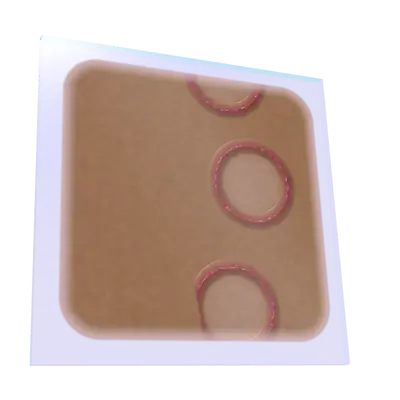
The classic ring is a round patch with a slightly raised, scaly border and a calmer centre. On dark skin the border looks dark brown, grey or violet, not red, and the patch often leaves a darker stain behind it as it spreads outwards.
The name changes with the site:
- Body (tinea corporis): one or several rings on the trunk, limbs or face.
- Groin (tinea cruris, “jock itch”): a dark, itchy rash on the inner thighs with a defined edge, usually sparing the scrotum.
- Scalp (tinea capitis): mainly in children. Scaly patches, black dots where hairs have broken at the surface, patchy hair loss, and sometimes a swollen, boggy, pus-filled lump (kerion) with tender glands in the neck.
- Feet: see athlete’s foot.
- Nails: see fungal nail infection.
- Beard area: inflamed bumps and broken hairs in men.
After steroid or mixed creams, ringworm loses its shape. It becomes a large, ill-defined, dark, itchy area with scattered bumps and little scale. Doctors call this tinea incognito, and it is now common in Lagos.
A related but different condition, pityriasis versicolor, is caused by a yeast and produces many small pale or dark patches on the chest and back.
How to spot it
- An itchy patch that grows outwards over days or weeks
- A scaly, more active edge and a quieter centre
- Someone else at home, a pet, or a recent barber visit with a similar rash
- In a child: scaling on the scalp, patches of broken hair, or swollen glands behind the ears
- A rash that improved with a mixed cream and then spread
Eczema can look similar. See Ringworm or eczema: how to tell the difference.
Causes and triggers
Ringworm is caused by fungi called dermatophytes that live on keratin in skin, hair and nails. They thrive in warmth and moisture, which Lagos supplies year-round. You catch them from:
- People: skin contact, shared towels, clothes, bedding, combs and hats
- Barbers’ clippers that are not disinfected between customers
- Animals: cats, dogs, goats and cattle
- Your own feet or nails, which can reinfect the groin or body
- Gym mats and changing rooms
Sweat, tight synthetic clothing, obesity, diabetes, weakened immunity and steroid creams all make infection easier.
How it is diagnosed at the clinic
Typical ringworm can be diagnosed by looking. When it is not typical, has been treated with creams already, or involves the scalp or nails, a fungal test is done: a scraping, hair sample or nail clipping examined under the microscope and sometimes cultured. A Wood’s lamp helps with some scalp infections.
Ringworm treatment at the clinic
- Limited body or groin infection: an antifungal cream for two to four weeks, applied beyond the visible edge and continued after the skin clears.
- Scalp, beard, nail or extensive infection, and tinea incognito: antifungal tablets for weeks, with an antifungal shampoo for scalp infection. Liver blood tests are checked when treatment is prolonged.
- Resistant infection: some strains now respond poorly to standard treatment; culture guides the choice of medicine.
- Household: family members and pets with signs are treated at the same time; clippers, combs and bedding are cleaned.
- Dark marks afterwards fade with time and sun protection; see hyperpigmentation.
Medicines are dispensed by the clinic’s pharmacy. Children are seen through children’s skin care.
Prevention and daily care
- Dry skin folds and between the toes after bathing.
- Wear loose cotton underwear and change it daily; change out of sweaty clothes promptly.
- Do not share towels, clothing, combs or hats.
- Take your own clippers to the barber, or ask for them to be disinfected.
- Treat athlete’s foot so that it does not spread to the groin.
- Wash bedding and towels in hot water during treatment.
- Have pets with bald, scaly patches checked by a vet.
Common questions
What is the fastest way to cure ringworm?
For ringworm on the body, an antifungal cream applied once or twice daily to the patch and a margin of normal skin around it usually clears it in two to four weeks. Continue for one to two weeks after the skin looks normal. Scalp, nail or widespread infection needs antifungal tablets prescribed by a doctor.
Is ringworm contagious?
Yes. It spreads by skin contact with an infected person or animal, and through shared towels, clothing, bedding, combs and barber's clippers. It stops being contagious about 48 hours after treatment starts. Children can usually return to school once treatment has begun.
Why does my ringworm keep coming back?
The usual reasons are stopping the cream too soon, treating only part of the rash, reinfection from untreated family members, pets, clippers or your own feet and nails, and using mixed steroid creams that suppress the rash without killing the fungus. Recurrent infection is also a reason to check blood sugar.
Can I use a steroid cream on ringworm?
No. Steroids reduce itch and redness for a few days, so the rash seems better, but they weaken the skin's defences and let the fungus spread wider and deeper. Mixed 'triple-action' creams are a major cause of stubborn, widespread ringworm in Nigeria.
How is scalp ringworm treated in children?
With antifungal medicine by mouth for several weeks, because the fungus lives inside the hair shaft where creams cannot reach. An antifungal shampoo is added to reduce spread. Other children in the household should be checked, and combs, clippers and hats should not be shared.
Does ringworm leave a scar?
Not usually. On brown and Black skin it often leaves a dark mark that fades over weeks to months. A severe, boggy scalp infection called a kerion can leave a permanent bald patch if treatment is delayed, which is why scalp infection should be treated promptly.
References
- NHS. Ringworm.
- DermNet. Tinea corporis.
- American Academy of Dermatology. Ringworm: diagnosis and treatment.
- DermNet. Tinea capitis.
- World Health Organization. Ringworm and other superficial fungal infections: neglected tropical skin diseases.
This page gives general health information. It does not replace a consultation, and it cannot diagnose your skin. If you are worried about a symptom, see a doctor. Read the full medical disclaimer.
Visit O.C Clinics in Oniru
| Monday–Friday | 9:00 AM–5:00 PM |
|---|---|
| Saturday | 10:00 AM–4:00 PM |
| Sunday | Closed |
