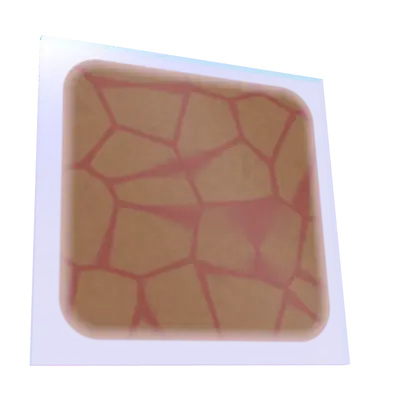
What cellulitis looks like on brown and Black skin
The textbook “red leg” is misleading for dark skin. Look for a limb that is larger than the other, with skin that is stretched and shiny, a deeper brown, violet or grey tone, and warmth you can feel. The edge is blurred. Pressing is painful. After recovery the area may stay darker and peel.
Cellulitis nearly always affects one side. Both legs equally swollen and discoloured is more often varicose eczema or fluid retention than infection.
How to spot it
- One limb only.
- Warm, tender and swollen.
- Came on over a day or two.
- You feel feverish or unwell.
Causes and triggers
Streptococcus or Staphylococcus bacteria enter through a break in the skin. The commonest entry point is split skin between the toes from athlete’s foot; others are bites, grazes, ulcers and injection sites.
How it is diagnosed at the clinic
Diagnosis is clinical. Blood tests measure infection and blood sugar; a swab is taken from any open wound. A scan may be needed to exclude a blood clot or abscess.
Cellulitis treatment at the clinic
Antibiotics for the prescribed course, pain relief, rest with the leg raised above hip level, and marking the edge to track response. Patients needing a drip or surgery are referred to hospital. Afterwards, the entry point is treated and skin care, compression and weight advice are given. Wounds are managed within wound care.
Prevention and daily care
- Treat athlete’s foot and dry, cracked skin.
- Clean and cover cuts and bites.
- Moisturise legs daily; wear compression if advised.
- Keep diabetes controlled.
Common questions
How do I recognise cellulitis on dark skin?
Do not rely on redness. Compare with the other limb: the affected side is swollen, warmer to the back of your hand, tender, and the skin looks darker, purplish or glossy. Marking the edge with a pen shows whether it is spreading.
Is cellulitis an emergency?
It needs treatment the same day. Go to an emergency department if the area is spreading quickly, the pain is severe or out of proportion, the skin turns black or blisters, or you have high fever, vomiting, confusion or a fast heartbeat.
Why does my cellulitis keep coming back?
Each episode damages lymph drainage, which makes the next more likely. Untreated athlete's foot, dry cracked skin, leg swelling and excess weight are the usual drivers. Treating these, and sometimes long-term low-dose antibiotics, reduces recurrences.
References
- NHS. Cellulitis.
- DermNet. Cellulitis.
- National Institute for Health and Care Excellence. Cellulitis and erysipelas: antimicrobial prescribing (NG141).
This page gives general health information. It does not replace a consultation, and it cannot diagnose your skin. If you are worried about a symptom, see a doctor. Read the full medical disclaimer.
Visit O.C Clinics in Oniru
| Monday–Friday | 9:00 AM–5:00 PM |
|---|---|
| Saturday | 10:00 AM–4:00 PM |
| Sunday | Closed |
