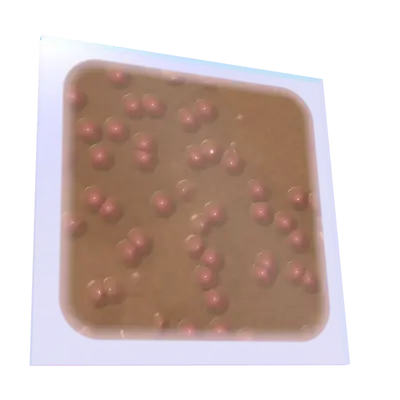
What shingles looks like on brown and Black skin
Pain usually comes first, and is often mistaken for a pulled muscle, a heart or kidney problem, or toothache. Then a band of skin on one side becomes swollen and darker or dusky, and clusters of small blisters appear along it. The band follows one nerve, so it wraps from the spine round to the front of the chest or abdomen, or runs down one side of the forehead, and does not cross the midline.
Blisters turn cloudy, sometimes blood-stained, then dry to dark crusts. On dark skin, healing commonly leaves lighter or darker patches, and sometimes scars or keloid scars, in the same band.
How to spot it
- The rash is on one side only.
- It is painful or burning more than itchy.
- Blisters are grouped in patches along a stripe.
- You felt pain or tingling there before anything showed.
Causes and triggers
After chickenpox, the varicella-zoster virus lies dormant in nerve roots. When immune surveillance dips with age, illness or stress, it multiplies and travels down the nerve to the skin.
How it is diagnosed at the clinic
The pattern is usually unmistakable. A swab confirms the virus when the rash is atypical. Tests for diabetes and HIV may be offered through the internal medicine service.
Shingles treatment at the clinic
- Antiviral tablets for seven days.
- Pain control stepped up as needed, including medicines that calm nerve pain.
- Skin care: loose cotton clothing, non-stick dressings, and antibiotics only if bacteria infect the blisters.
- Eye involvement is referred urgently to an ophthalmologist.
- Afterwards: treatment for persistent nerve pain and for marks or scars.
Prevention and daily care
- Keep the rash clean, dry and covered.
- Wash hands after touching it.
- Rest, eat well and keep long-term conditions under control.
- Ask about shingles vaccination if you are over 50.
Common questions
Is shingles contagious?
You cannot catch shingles from someone. But fluid from the blisters contains chickenpox virus, so a person who has never had chickenpox or the vaccine can catch chickenpox from direct contact with the rash. Keep it covered and avoid pregnant women, newborn babies and people with weak immunity until all blisters have crusted.
How long does shingles last?
The rash usually heals in two to four weeks. Pain eases as it heals in most people. In some, particularly those over 60, nerve pain continues for months after the skin has healed; this is called post-herpetic neuralgia and is the main reason for treating early.
Does shingles mean I have HIV?
No. Most people who get shingles have normal immunity. However, shingles in a young adult, shingles affecting more than one area, or repeated episodes can be a first sign of reduced immunity, so your doctor may recommend an HIV test and blood sugar check. Testing is routine and confidential.
Can shingles come back?
Most people have it once. A second episode occurs in a small minority, more often when immunity is reduced. A vaccine that lowers the risk is recommended for older adults in many countries; ask your doctor about availability.
References
- NHS. Shingles.
- DermNet. Herpes zoster.
- World Health Organization. Shingles (herpes zoster).
- American Academy of Dermatology. Shingles: diagnosis and treatment.
This page gives general health information. It does not replace a consultation, and it cannot diagnose your skin. If you are worried about a symptom, see a doctor. Read the full medical disclaimer.
Visit O.C Clinics in Oniru
| Monday–Friday | 9:00 AM–5:00 PM |
|---|---|
| Saturday | 10:00 AM–4:00 PM |
| Sunday | Closed |
