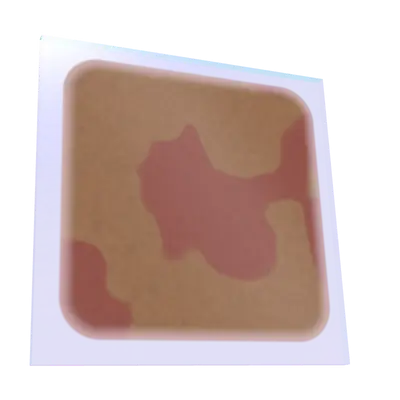
What contact dermatitis looks like on brown and Black skin
Redness is hard to see on dark skin. Look for a patch that is darker brown, purple or grey than the skin around it, slightly swollen, with tiny bumps or blisters, and intensely itchy. After days of scratching the area becomes dry, thick and lined. When it heals, a dark or pale mark often stays for weeks to months.
The location is the main clue:
- Hairline, ears, neck and eyelids: hair dye, relaxer, shampoo, wig or lace-front glue.
- Eyelids alone: nail polish, lash glue, eye make-up, or something transferred by the fingers.
- Earlobes, wrist, waistband, under a belt buckle: nickel in jewellery and metal fasteners.
- Hands: soaps, detergents, bleach, gloves, cement, food handling.
- Underarms: deodorant or fragrance.
- Feet: rubber and glues in shoes, leather tanning chemicals.
- Face and neck in a streaky or patchy pattern: perfumes, plants, essential oils and creams.
How to spot it
- The rash has a clear border or an odd shape.
- It appeared hours to days after a new product, job or activity.
- It improves on holiday or away from work and returns afterwards.
- It affects the hand you use most, or only one side.
Causes and triggers
Common irritants are water, soap, washing-up liquid, bleach, solvents and friction. Common allergens are nickel, fragrance, preservatives in creams and wipes, paraphenylenediamine (PPD) in dark hair dye and “black henna”, rubber chemicals in gloves and shoes, acrylates in nail products and adhesives, and some medicated creams including antibiotic ointments. Heat and sweat in Lagos help metals and dyes leach onto the skin, and frequent hand washing strips its protective oils.
How it is diagnosed at the clinic
The dermatologist asks about your work, hobbies, hair and skin products, and examines where the rash sits. Where an allergy is suspected, patch testing is arranged once the rash has settled. A scraping rules out fungal infection, and a skin biopsy is occasionally needed if the diagnosis is unclear.
Contact dermatitis treatment at the clinic
- Avoidance. You receive the names of what you are allergic to, where they are found and what to use instead.
- Calming the rash. A corticosteroid cream of the right strength for the site, used for a set number of days, with a moisturiser many times a day.
- Hand care. A soap substitute, cotton-lined gloves for wet work, and moisturiser after every wash.
- Severe reactions may need a short course of tablets.
- Work. A letter for your employer where adjustments would help. Employers can arrange corporate skin screening for staff in high-risk jobs.
Care for this condition is part of clinical dermatology at the clinic.
Prevention and daily care
- Choose fragrance-free products with short ingredient lists.
- Do a small test of new hair dye behind the ear two days before each use, as the pack instructs.
- Cover metal buttons and choose jewellery labelled nickel-free.
- Moisturise your hands after washing and before bed.
Common questions
How long does contact dermatitis take to clear?
Once contact with the cause stops, most rashes settle in two to four weeks with treatment. An allergic rash can first appear one to three days after contact, which is why the cause is often missed. On brown and Black skin a dark mark may remain for some months after the itch has gone.
What is the difference between irritant and allergic contact dermatitis?
Irritant dermatitis is direct damage from repeated contact with water, soap, detergent, bleach or cement, and can affect anyone. Allergic dermatitis is an immune reaction to a specific substance in a person who has become sensitised, and tiny amounts will trigger it for life.
Can I suddenly become allergic to a product I have used for years?
Yes. Allergy develops after repeated exposure, sometimes over years, so a long-used hair dye, perfume, cream or watch strap can start to cause a rash. Once the allergy exists it does not go away, though the rash clears when you avoid the substance.
What is a patch test?
Small amounts of common allergens are taped to the back for two days, and the skin is read on removal and again two days later. A red, raised spot under an allergen confirms the allergy. It is different from prick testing, which looks for hives-type and food allergy.
References
- NHS. Contact dermatitis.
- DermNet. Allergic contact dermatitis.
- British Association of Dermatologists. Guidelines for the management of contact dermatitis.
- American Academy of Dermatology. Contact dermatitis: overview.
This page gives general health information. It does not replace a consultation, and it cannot diagnose your skin. If you are worried about a symptom, see a doctor. Read the full medical disclaimer.
Visit O.C Clinics in Oniru
| Monday–Friday | 9:00 AM–5:00 PM |
|---|---|
| Saturday | 10:00 AM–4:00 PM |
| Sunday | Closed |
