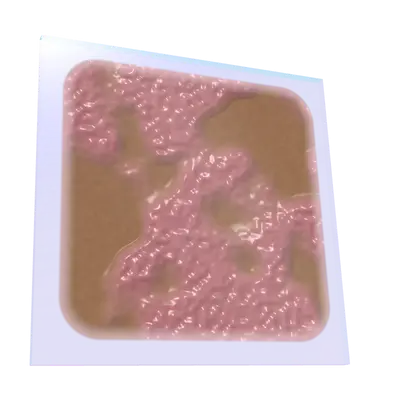
What skin allergies look like on brown and Black skin
Redness is muted on dark skin, so allergic rashes appear as swelling, raised bumps, a darker, violet or greyish tone, and itch. Hives are smooth swellings the colour of the skin. Contact allergy is a rough, sometimes weeping patch that matches what was touched. A drug rash is usually many small bumps spreading from the trunk. A fixed drug eruption is one or a few sharply round, dusky patches that return to the same spot.
How to spot it
- Timing: minutes to hours (hives), one to three days (contact), days to weeks (medicines).
- Place: where something touched, or all over.
- Repetition: the same trigger each time.
Causes and triggers
Common contact allergens are hair dye, fragrance, nickel, preservatives, rubber and adhesives. Common drug causes include antibiotics, sulfa medicines, anti-seizure medicines and anti-inflammatory painkillers. Hives are often triggered by infection. See hives and contact dermatitis for detail.
How it is diagnosed at the clinic
History and examination identify the type. Patch testing is performed at the clinic for contact allergy. A skin biopsy can help confirm a drug rash. Referral to an allergy service is arranged for suspected food or sting allergy.
Skin allergy treatment at the clinic
Avoidance is the cure. Meanwhile, antihistamines control hives, a suitable steroid cream settles contact dermatitis, and a suspected medicine is changed in consultation with the prescriber. You receive a written list of what to avoid and the names it appears under.
Prevention and daily care
- Keep a record of every medicine or product that has caused a reaction and show it to each doctor and pharmacist.
- Choose fragrance-free products.
- Test new hair dye as the pack instructs.
Common questions
Which allergy test do I need for a skin rash?
For a rash that follows skin contact, patch testing. For immediate reactions such as hives after a food or sting, prick tests or specific blood tests arranged by an allergy service. For most long-lasting hives, no allergy test is useful. Broad 'allergy panels' without a clear history often mislead.
How do I know if a rash is caused by a medicine?
Suspect a medicine if a widespread rash appears between a few days and two weeks after starting it, or sooner if you have reacted before. Tell the prescriber before stopping essential medicines, unless you have blisters, mouth sores, fever or facial swelling, in which case seek urgent care.
What is a fixed drug eruption?
A round, dark purple or brown patch that appears in the same place every time a particular medicine is taken, often on the lips, genitals or hands. It is common on dark skin, frequently caused by certain antibiotics and painkillers, and leaves long-lasting pigmentation.
References
- NHS. Allergies.
- DermNet. Drug eruptions.
- DermNet. Fixed drug eruption.
This page gives general health information. It does not replace a consultation, and it cannot diagnose your skin. If you are worried about a symptom, see a doctor. Read the full medical disclaimer.
Visit O.C Clinics in Oniru
| Monday–Friday | 9:00 AM–5:00 PM |
|---|---|
| Saturday | 10:00 AM–4:00 PM |
| Sunday | Closed |
