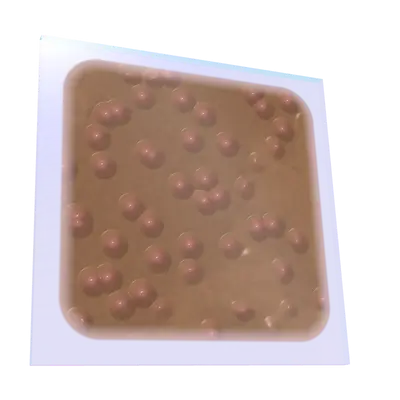
What pemphigoid looks like on brown and Black skin
Early on, there may be nothing but scratch marks and raised, darker, itchy patches that resemble hives or eczema. Then dome-shaped blisters, one to several centimetres across and firm to the touch, rise on darker, swollen skin. They last for days before breaking, leaving raw areas that crust and heal with dark or light marks but no scars.
How to spot it
- The person is elderly.
- Itch has been severe for weeks.
- Blisters are tense, not flimsy.
- A new medicine was started in the months before.
Itch in an older person living with others who itch should also raise the question of scabies.
Causes and triggers
Antibodies bind to proteins at the junction of the epidermis and dermis, and the resulting inflammation lifts the surface as a blister.
How it is diagnosed at the clinic
Skin biopsies for routine examination and immunofluorescence confirm the diagnosis. Current medicines are reviewed, and baseline blood tests arranged.
Pemphigoid treatment at the clinic
For limited or moderate disease, a very potent steroid cream applied to the whole affected area is effective and safer than tablets in frail people. Extensive disease is treated with steroid tablets and additional medicines. Blisters are drained and dressed. Blood pressure, sugar and bone protection are managed with the internal medicine team, and carers are shown how to apply treatment.
Prevention and daily care
- Moisturise and protect the skin from knocks.
- Keep nails short.
- Bring an up-to-date list of medicines to each visit.
Common questions
Should the blisters be burst?
Large, tense blisters can be pierced at the edge with a sterile needle by a nurse or doctor to release the fluid, leaving the roof in place as a natural dressing. They should not be de-roofed or picked at home.
Is pemphigoid caused by an infection?
No. It is autoimmune and not contagious. Blisters can become infected afterwards, which is why they are kept clean and covered.
How long does pemphigoid last?
It usually runs a course of one to five years with flares and quiet periods, and then goes into remission in many people. Treatment is tapered slowly once no new blisters appear.
References
- NHS. Bullous pemphigoid.
- DermNet. Bullous pemphigoid.
- British Journal of Dermatology. British Association of Dermatologists' guidelines for the management of bullous pemphigoid.
This page gives general health information. It does not replace a consultation, and it cannot diagnose your skin. If you are worried about a symptom, see a doctor. Read the full medical disclaimer.
Visit O.C Clinics in Oniru
| Monday–Friday | 9:00 AM–5:00 PM |
|---|---|
| Saturday | 10:00 AM–4:00 PM |
| Sunday | Closed |
