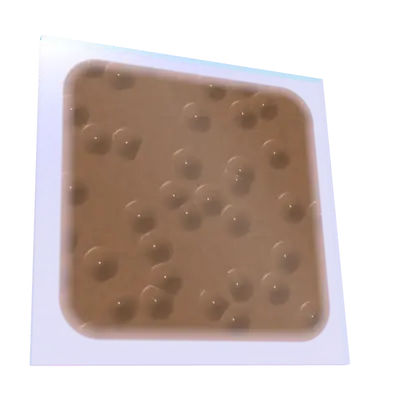
What genital warts look like on brown and Black skin
Warts are flesh-coloured, brown or grey-black, soft, and range from pinhead dots to clusters with a bumpy surface. In men they appear on the shaft or head of the penis, scrotum, groin and around the anus; in women on the vulva, in the vagina or on the cervix, and around the anus.
Several normal or harmless findings are mistaken for warts: pearly penile papules (a neat row of tiny bumps around the head of the penis), small pale spots called Fordyce spots, skin tags and molluscum. A firm, ulcerated or bleeding growth needs prompt examination.
How to spot it
- New soft bumps on genital or anal skin.
- They are painless and slowly increasing in number.
- A partner has had similar bumps.
Causes and triggers
HPV types 6 and 11 cause most genital warts and spread by skin-to-skin contact during vaginal, anal or oral sex. Condoms reduce but do not remove the risk, because they do not cover all affected skin.
How it is diagnosed at the clinic
Examination is usually sufficient, in private and with a chaperone if you wish. The clinic is led by a woman; read about our lead consultant dermatologist. A skin biopsy is taken from unusual growths. Tests for HIV, syphilis and other infections are offered.
Genital warts treatment at the clinic
Options are a prescribed cream or solution used at home for several weeks, cryotherapy at intervals, or removal under local anaesthetic. The choice depends on the number, site and your preference. On dark skin, temporary lighter or darker marks at treated sites are common. Partners are advised to be checked. Care is confidential within men’s and women’s skin health.
Prevention and daily care
- HPV vaccination protects against the types that cause most warts and cervical cancers.
- Use condoms.
- Attend cervical screening as advised.
Common questions
Do genital warts mean my partner was unfaithful?
Not necessarily. HPV can stay in the skin for months or years before warts appear, or without ever causing them, so it is rarely possible to say when or from whom the virus was acquired.
Can genital warts turn into cancer?
The HPV types that cause visible warts are low-risk and do not cause cancer. Other, high-risk types cause cervical and some other cancers without producing warts, which is why cervical screening and HPV vaccination are recommended regardless.
Will the warts come back after treatment?
They can. Treatment removes visible warts but not all of the virus, and about a third of people have a recurrence within months. The immune system clears the virus in most people within about two years. Not smoking improves the chance of clearance.
References
- NHS. Genital warts.
- DermNet. Anogenital warts.
- World Health Organization. Human papillomavirus and cancer: fact sheet.
This page gives general health information. It does not replace a consultation, and it cannot diagnose your skin. If you are worried about a symptom, see a doctor. Read the full medical disclaimer.
Visit O.C Clinics in Oniru
| Monday–Friday | 9:00 AM–5:00 PM |
|---|---|
| Saturday | 10:00 AM–4:00 PM |
| Sunday | Closed |
