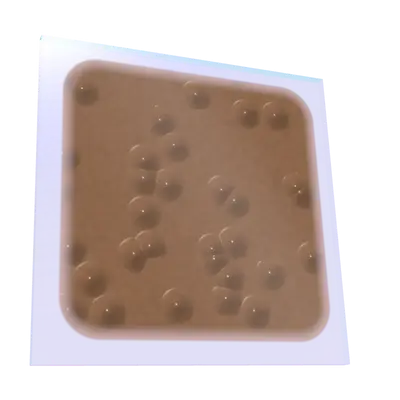
What skin tags look like on brown and Black skin
A skin tag is a soft, smooth or slightly wrinkled bit of skin that hangs from a thin stalk. On dark skin, tags are usually the same colour as the skin or a shade darker. Most are 2 to 5 millimetres across; a few grow to the size of a grape.
They cluster where skin rubs on skin, clothing or jewellery: the sides of the neck, underarms, eyelids, under the breasts, the groin and the folds of the buttocks.
They are easily confused with other growths that are common on dark skin:
- Dermatosis papulosa nigra: small, dark, slightly raised spots on the cheeks and temples, with a rough surface and no stalk.
- Moles: usually firmer, with a broader base.
- Warts: rough, firm, and can spread; in the genital area they need a different approach.
- Neurofibromas: soft lumps that push back into the skin when pressed.
How to spot it
- It is soft and you can wiggle it on its stalk
- It is painless unless a necklace, collar, bra strap or razor catches it
- It has been there for months or years without changing
- You have several, in the folds described above
A tag that suddenly turns dark, swollen and painful has usually twisted on its stalk and lost its blood supply. It will often drop off, but it can be removed if sore.
Causes and triggers
Tags form where skin is repeatedly rubbed. They are more common with:
- Excess weight, which creates more skin folds
- Insulin resistance and type 2 diabetes. High insulin levels stimulate skin growth. Many tags together with dark, velvety skin on the neck are a recognised sign.
- Pregnancy
- Age, from the forties onwards
- Family tendency
- Chains, tight collars and rough fabrics
They are not contagious and are not caused by poor hygiene.
How it is diagnosed at the clinic
A dermatologist recognises skin tags on sight and uses a dermatoscope if a growth looks unusual. Anything doubtful is sent for laboratory examination after removal. If you have many tags, your weight, blood pressure and blood sugar may be checked, with the clinic’s internal medicine service where needed. Read Diabetes and your skin.
Skin tag removal at the clinic
Removal is quick and done in the consulting room:
- Snip excision. The stalk is cut with fine sterile scissors. Small tags need no anaesthetic; larger ones are numbed first. Bleeding is stopped with light pressure or cautery.
- Electrocautery. A fine heated tip removes the tag and seals the base. Useful for many small tags.
- Cryotherapy. Freezing with liquid nitrogen. Used less often on dark skin because it can leave a pale mark.
On brown and Black skin the aim is the least injury to surrounding skin, since inflammation leaves dark marks. Snipping and fine cautery give the cleanest result. A small dark or pale dot at each site usually fades over weeks to months. Keloids from tag removal are rare, but tell the doctor if you form them.
Removal is part of skin surgery and minor procedures at the clinic.
Aftercare. Keep the sites clean and dry for 24 hours, then wash normally. Apply petroleum jelly for a few days. Avoid necklaces and tight collars until healed, and protect the area from sun.
Prevention and daily care
- Reduce friction: looser collars, no heavy chains, well-fitting bras.
- Work towards a healthy weight.
- Have blood sugar checked if you have many tags or a family history of diabetes.
- Do not pull or twist tags.
Common questions
Is it safe to remove skin tags at home?
It is not advised. Tying a tag with thread or hair, cutting it with a blade or using removal creams risks bleeding, infection, burns and scars, and on dark skin often leaves a mark worse than the tag. You also cannot be sure the growth is a skin tag. A doctor can check it and remove it cleanly.
Does skin tag removal hurt?
Very little. Tiny tags are snipped with a brief pinch. Larger ones are numbed first with a small injection or anaesthetic cream. The area may sting for a few minutes afterwards. A neck with many tags can usually be treated in one visit.
Will skin tags grow back after removal?
A removed tag does not regrow, but new ones can form nearby over the years if the causes remain: friction, weight and insulin resistance. Losing weight and controlling blood sugar reduce the number of new tags. Each removed tag is gone for good.
Are skin tags a sign of diabetes?
They can be. People with many skin tags, especially alongside dark, velvety skin on the neck or underarms, are more likely to have insulin resistance or type 2 diabetes. It is sensible to have a blood sugar test if you have numerous tags and have not been checked.
Do skin tags turn into cancer?
No. Skin tags are benign. A growth that is firm, bleeding, changing colour, growing quickly or painful should be examined, because other growths can look similar, and anything unusual is sent to a laboratory. See a dermatologist about any tag that bleeds, changes colour or grows quickly.
References
This page gives general health information. It does not replace a consultation, and it cannot diagnose your skin. If you are worried about a symptom, see a doctor. Read the full medical disclaimer.
Visit O.C Clinics in Oniru
| Monday–Friday | 9:00 AM–5:00 PM |
|---|---|
| Saturday | 10:00 AM–4:00 PM |
| Sunday | Closed |
